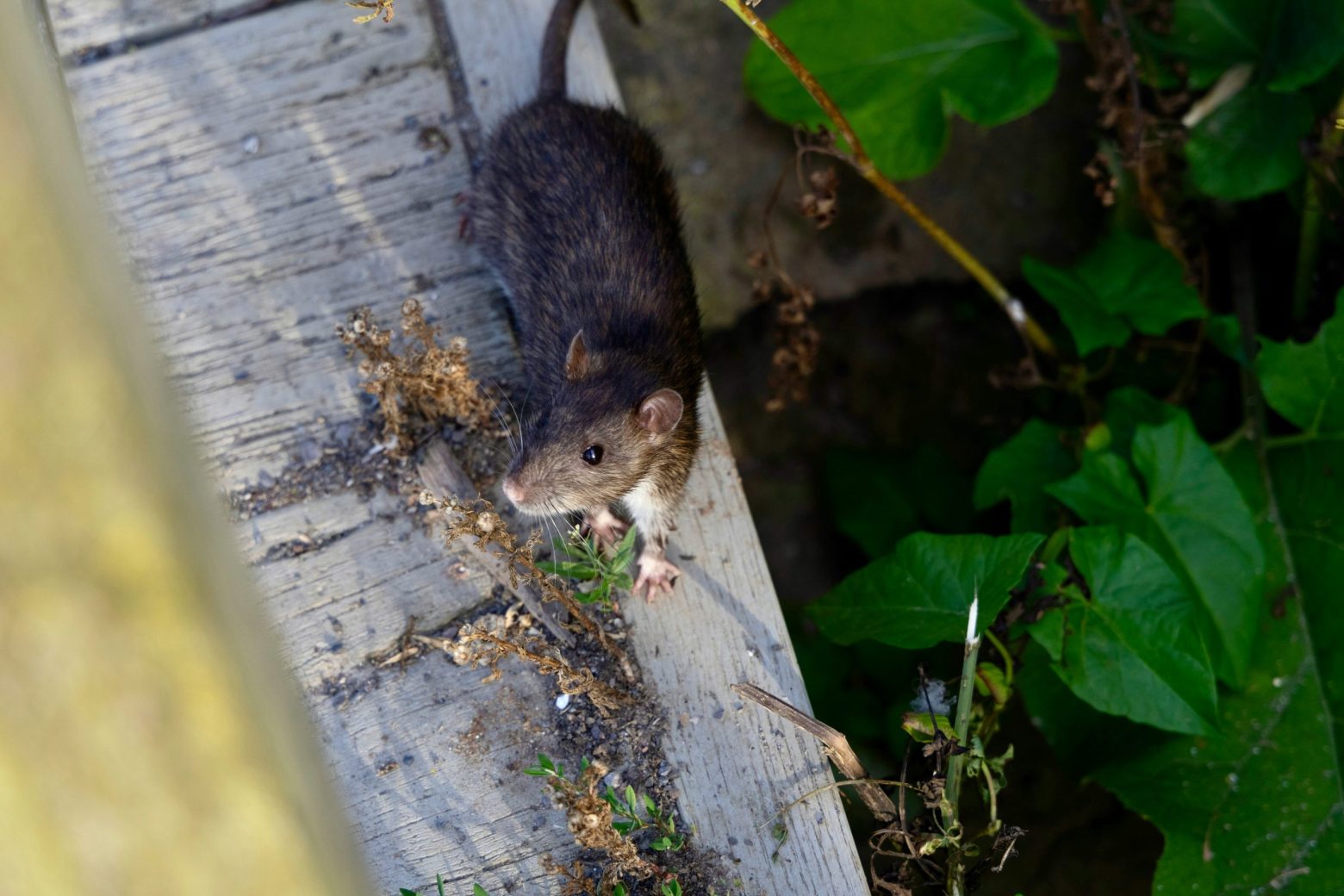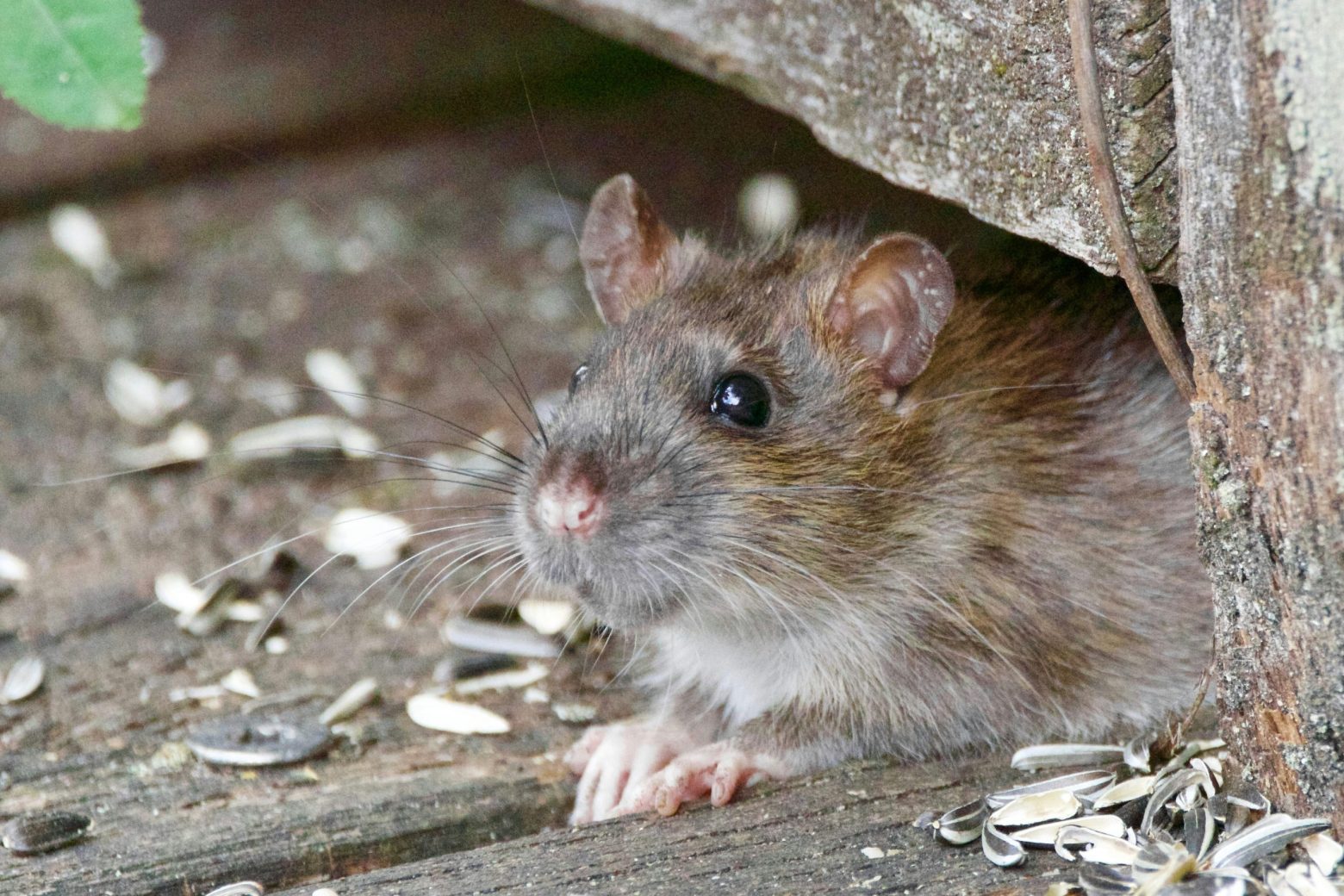
Discovering a mouse or rat inside your home can be unsettling. The first instinct may be to remove the animal as quickly as possible and move on. However, seeing one rodent can sometimes mean that additional rodents are nearby.
Rodents often enter homes through small openings and then look for food, water, nesting material, and protected spaces. Once they find suitable conditions, they may remain hidden in walls, attics, garages, crawl spaces, or other areas.
For homeowners in Fort Worth, knowing what to do after discovering rodent activity can help prevent a temporary problem from becoming a recurring infestation.
Do Not Assume One Rodent Is the Only One
A single mouse or rat may occasionally wander inside by accident. However, repeated sightings or other evidence can indicate a larger issue.
Rodents are generally good at remaining hidden. They may travel through wall cavities, beneath cabinets, behind appliances, or across attic spaces without being noticed.
If you see one rodent, inspect the surrounding area for droppings, gnaw marks, nesting material, damaged food packaging, and other signs.
The goal is to determine whether the sighting was isolated or part of an ongoing problem.
Look for How the Rodent Got Inside
Finding the entry point is an important part of rodent control.
Inspect the exterior of the home for gaps around doors, windows, pipes, utility lines, vents, foundations, garages, and roof areas.
Do not overlook the garage. Rodents may enter through a garage door and then move into the house through another opening.
Also inspect areas where different building materials meet. Small gaps can develop around foundations, siding, roofing, and utility penetrations over time.
Check for Food Sources
Once rodents enter a home, they need a reason to stay.
Food is one of the biggest factors.
Inspect the kitchen, pantry, garage, and other storage areas for accessible food. Check for damaged packages and spilled material.
Store food in secure containers and clean crumbs and spills promptly.
Pet food should also be stored securely. Even small amounts of accessible food can encourage rodents to continue returning.
Look for Water Sources
Moisture can be just as important as food.
Check under sinks, around appliances, near plumbing fixtures, and in garages for leaks.
Inspect exterior faucets, irrigation systems, gutters, and drainage areas as well.
Eliminating unnecessary moisture can make the property less attractive to rodents and other pests.
Inspect Common Hiding Areas
Rodents prefer locations that provide protection from people and other threats.
Common areas to inspect include attics, garages, crawl spaces, cabinets, closets, storage areas, wall voids, and spaces behind appliances.
Look for droppings, nesting material, gnaw marks, and unusual odors.
You may also hear scratching or movement in walls or ceilings, particularly at night.
Rodent Droppings Should Not Be Ignored
Droppings can provide valuable information about where rodents are active.
If you find droppings in several locations, pay attention to where they are concentrated. This can help indicate the paths rodents are using.
Use appropriate precautions when cleaning areas contaminated by rodent waste. Avoid unnecessarily disturbing contaminated material and follow appropriate cleaning and sanitation practices.
If droppings continue to appear after cleaning, there may still be active rodents in the area.
Watch for Damage
Rodents can chew on many different materials.
Inspect boxes, wood, insulation, plastic containers, food packages, and other items for signs of gnawing.
Wiring should receive particular attention because rodents may chew electrical cables. If you discover damaged wiring, have it evaluated by an appropriately qualified professional.
Rodent damage is one reason it is important not to allow an infestation to continue unchecked.
Why Traps Alone May Not Solve the Problem
Traps can sometimes remove individual rodents, but they may not address the reason rodents are entering the property.
If an entry point remains open, another rodent can potentially enter after one has been removed.
Likewise, if food, water, and nesting areas remain readily available, the property may continue to attract rodents.
Effective rodent pest control should therefore consider both the active infestation and the conditions allowing it to exist.
When Professional Rodent Pest Control Makes Sense
Professional assistance may be appropriate when rodents are repeatedly appearing, when there are numerous signs of activity, or when rodents are occupying difficult-to-access areas.
It can also be useful when homeowners have attempted basic control measures but continue finding droppings, hearing noises, or seeing rodents.
A professional evaluation can help determine the extent of the problem and identify likely entry points and nesting areas.
Rodent Problems in Fort Worth and Nearby Communities
Rodent activity can occur throughout Fort Worth and the surrounding communities.
Homeowners in Forest Hill, Arlington, Kennedale, and Benbrook may encounter mice and rats around houses, garages, sheds, and other structures.
Similar problems can occur in Westworth Village, River Oaks, and Sansom Park.
Rodent pest control can also be important for homes in Haltom City, Pantego, Bedford, and Euless.
Properties in Everman, North Richland Hills, and Hurst can experience rodent activity as well, particularly where rodents have access to food, water, shelter, and convenient entry points.
Prevent Rodents From Returning
Once the immediate problem has been addressed, prevention becomes the next priority.
Inspect and repair potential entry points around the exterior. Keep food in sealed containers. Secure garbage. Manage pet food. Eliminate standing water and repair leaks.
Keep garages, attics, and storage areas organized so they can be inspected regularly.
Vegetation around the structure should also be maintained. Avoid allowing excessive debris, brush, leaves, or other materials to accumulate against the house.
These steps can make the property less attractive and less accessible to rodents.
Pay Attention to Recurring Activity
A rodent problem should not be considered resolved simply because no rodents have been seen for a few days.
Continue monitoring for droppings, noises, damage, and other evidence.
If signs return, there may still be active rodents or an unresolved entry point.
Recurring activity is a reason to reevaluate the property rather than repeatedly treating individual sightings.
Take Rodent Problems Seriously
Mice and rats can become persistent household pests once they discover a reliable source of food and shelter.
The best approach is to address the problem at its source. Determine how rodents are getting inside, identify where they are active, remove conditions that attract them, and take appropriate steps to prevent future access.
For homeowners in Fort Worth, proactive rodent pest control can help protect homes from the damage and nuisance associated with mice and rats.
Whether the first warning sign is a scratching noise in the attic, droppings in the pantry, damaged food packaging, or an actual rodent sighting, taking action early can make the problem easier to manage.
A combination of professional pest control, exterior maintenance, sanitation, and exclusion can help keep rodents where they belong—outside your home.