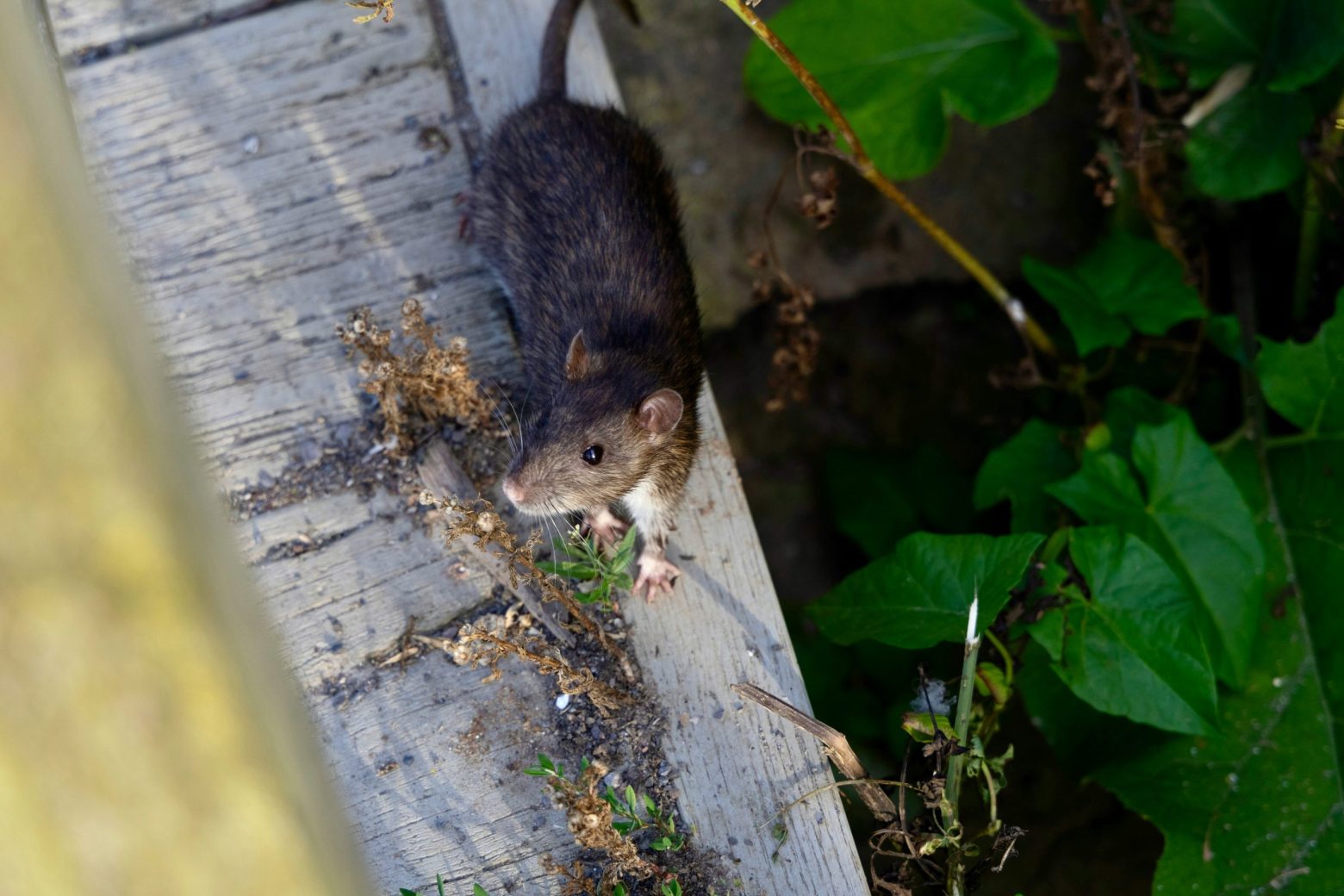
Mice and rats are persistent pests that can find food, shelter, and hiding places around almost any residential property. Once rodents discover a convenient way into a home, they may continue returning as long as the conditions remain favorable.
For homeowners in Fort Worth, rodent prevention should focus on the entire property rather than simply placing traps after a mouse or rat has already entered the house.
Keeping rodents outside involves reducing access, eliminating food and water sources, maintaining the exterior, and paying attention to early warning signs.
Start With an Exterior Inspection
The first step in rodent prevention is figuring out how a rodent could get inside.
Walk around the exterior of the house and inspect the foundation, doors, windows, roofline, garage, vents, and utility penetrations.
Look for cracks, gaps, damaged screens, holes, and openings around pipes or cables.
Pay particular attention to the garage. A garage door that does not seal properly can provide rodents with an easy way into a sheltered area.
Once rodents reach the garage, they may eventually find another opening leading into the rest of the house.
Seal Potential Entry Points
Rodents can exploit relatively small openings.
Appropriate repairs and exclusion work can help reduce opportunities for mice and rats to enter.
Gaps around pipes and utility lines should be inspected carefully. Damaged vents and screens should be repaired, while openings around doors should be properly sealed.
Foundation cracks and other structural openings may also need attention.
Sealing potential entry points is particularly important after discovering evidence of rodent activity because rodents may already have learned where access is available.
Keep Food Secure
Food is one of the biggest reasons rodents remain around a property.
Pantry staples should be stored in sealed containers rather than open bags or boxes when possible.
Clean crumbs and food spills promptly. Pay attention to areas beneath appliances, inside cabinets, and around kitchen counters.
Garbage should be kept in containers with secure lids.
Pet food deserves special attention. Open bags can attract rodents, particularly when food is stored in garages, sheds, or other areas where rodents may already be active.
Do Not Forget Outdoor Food Sources
Rodents do not have to find food inside your home.
Bird feeders, pet food, uncovered garbage, compost, fallen fruit, and other outdoor sources can attract rats and mice to the property.
Once rodents establish themselves outside, the chance of them finding their way into a building can increase.
Outdoor food sources should therefore be managed carefully.
Control Water and Moisture
Rodents need water just as they need food.
Leaking outdoor faucets, irrigation problems, clogged gutters, and standing water can contribute to conditions that attract pests.
Check around the foundation after rainfall and look for areas where water remains for extended periods.
Repair leaks and correct drainage problems when possible.
Keeping the property dry and well maintained can make it less attractive to rodents and other pests.
Keep Vegetation Maintained
Landscaping can provide excellent shelter for rodents.
Dense vegetation, piles of leaves, tall grass, brush, and other materials can create hiding places close to the structure.
Trees and shrubs should be maintained so that they do not create unnecessary access to the roof or upper portions of the house.
Keeping the area around the foundation reasonably clear also makes it easier to see evidence of rodent activity.
Store Firewood Carefully
Firewood can provide shelter for rodents and other pests.
Avoid stacking firewood directly against the house. Keeping it elevated and away from the structure can reduce opportunities for rodents to establish protected hiding areas immediately next to the building.
Wood piles should also be inspected periodically for signs of nesting or other pest activity.
Reduce Clutter
Rodents prefer areas where they can hide undisturbed.
Boxes, storage materials, unused furniture, bags, paper products, and other clutter can provide shelter.
Garages, attics, sheds, and storage areas should be organized so that walls and floors remain accessible for inspection.
Reducing clutter also makes it easier to spot droppings, gnaw marks, nesting materials, and other warning signs.
Inspect the Attic and Garage
Attics and garages are common areas for rodents to establish themselves because they are often quiet and relatively undisturbed.
Inspect these areas periodically for droppings, nesting material, gnaw marks, damaged insulation, and unusual odors.
Pay attention to sounds as well. Scratching or movement at night can sometimes indicate that rodents are using the area.
If evidence is discovered, determining how the rodents got there is important.
Rodent Prevention in Fort Worth
Weather can influence rodent behavior. Changes in temperature can encourage rodents to seek shelter, while dry conditions can cause them to search for available water.
That means rodent prevention is not simply a seasonal task.
Homeowners in Forest Hill, Arlington, Kennedale, and Benbrook can encounter rodent activity throughout the year.
The same is true in Westworth Village, River Oaks, and Sansom Park.
Rodent prevention is also important for homeowners in Haltom City, Pantego, Bedford, and Euless, as well as Everman, North Richland Hills, and Hurst.
What If Rodents Have Already Gotten Inside?
Prevention becomes more complicated once rodents have already established themselves.
Sealing an entry point without determining whether rodents are still inside may not solve the problem.
Homeowners should look for evidence throughout the structure and determine whether activity is continuing.
If droppings, noises, nests, or other signs remain, professional rodent pest control may be necessary.
A professional can help determine the extent of the problem and identify the conditions that are allowing rodents to remain on the property.
Prevention Works Best as a Combination
No single step guarantees that rodents will never enter a home.
The most effective prevention strategy combines several measures.
Seal structural openings. Store food securely. Control moisture. Maintain landscaping. Reduce clutter. Manage outdoor food sources. Inspect garages and attics regularly.
Together, these measures can reduce the opportunities rodents have to enter and establish themselves.
Protect Your Fort Worth Home From Rodents
Mice and rats are persistent, adaptable pests, but homeowners can make their properties considerably less attractive to them.
A well-maintained exterior, secure food storage, controlled moisture, and attention to potential entry points can all help reduce rodent activity.
If signs of rodents appear despite these precautions, it is important to investigate rather than assume the problem will disappear.
For homeowners in Fort Worth and surrounding communities, proactive rodent pest control can help identify problems early and reduce the likelihood of an infestation becoming a larger household issue.