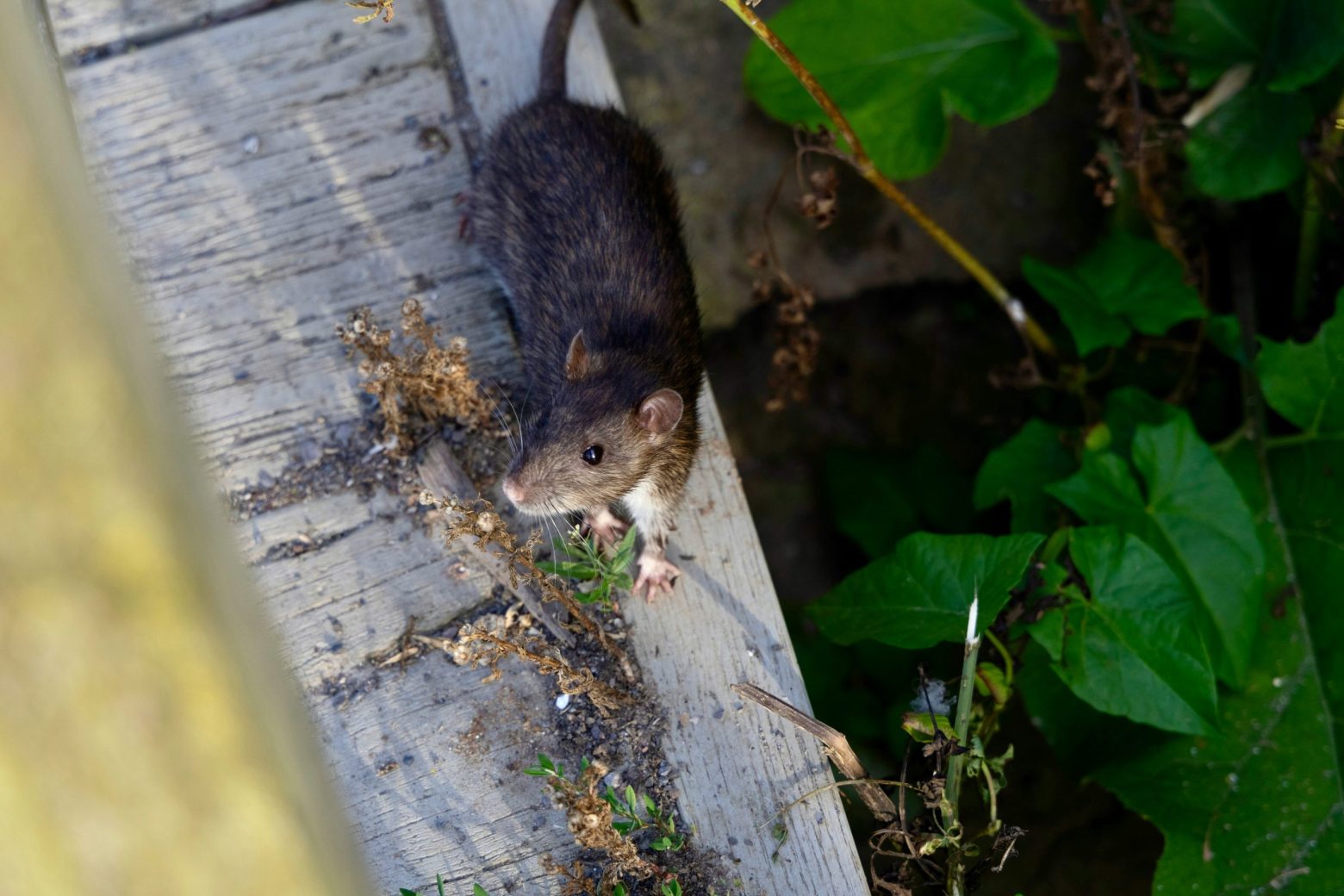
Rodents can be surprisingly difficult to detect when they first enter a home. Mice and rats are generally cautious, spend much of their time in hidden areas, and can move through parts of a property that homeowners rarely inspect. By the time a rodent is seen running across a kitchen floor, the problem may have been developing for some time.
For homeowners in Fort Worth, recognizing the early signs of rodent activity can make it easier to address an infestation before it becomes more serious. Rodents can enter through small openings, find shelter in attics and wall spaces, and take advantage of easily accessible food and water.
Knowing what to look for is an important part of rodent pest control.
Rodent Droppings Are an Important Warning Sign
One of the most common signs of rodent activity is finding droppings.
Droppings may appear in kitchen cabinets, drawers, garages, attics, pantries, behind appliances, or along walls where rodents travel. They may also be found near food storage areas or around openings that rodents use to enter a structure.
If droppings continue appearing after an area has been cleaned, that can suggest that rodents are still active.
When cleaning an area with suspected rodent contamination, homeowners should use appropriate precautions rather than handling droppings with bare hands.
Scratching Sounds Can Indicate Rodents
Rodents are often more active at night, when household activity has decreased.
Homeowners may hear scratching, squeaking, gnawing, or movement inside walls, ceilings, cabinets, floors, garages, or attic spaces.
A single unexplained sound does not necessarily mean there is a rodent infestation. However, repeated noises coming from the same area deserve investigation.
Attic noises can be particularly noticeable because rodents may move through insulation and along framing while searching for food or nesting material.
Gnaw Marks Can Reveal Rodent Activity
Rodents have constantly growing incisors and naturally gnaw on materials.
Signs of chewing may appear on cardboard boxes, food packaging, wood, plastic, insulation, and other materials. Electrical wiring can also be damaged by chewing.
Finding unexplained gnaw marks is a reason to inspect the surrounding area for additional evidence.
Rodent damage can become more extensive when an infestation is allowed to continue, so early identification is valuable.
Damaged Food Packaging
Rodents are opportunistic feeders. If they can access food, they may return repeatedly.
Look for holes or chew marks in bags, boxes, and other food packaging. Pantry items should be stored in sealed containers whenever practical.
Pet food can also attract rodents. Bags should be closed securely, and spilled food should be cleaned promptly.
A pantry that suddenly develops signs of damaged packaging should be inspected for other indications of rodent activity.
Grease Marks and Travel Paths
Rodents often travel along walls, behind appliances, and through established pathways.
Repeated movement can leave dark or greasy marks along surfaces where rodents frequently pass. These marks may be especially noticeable around baseboards, walls, pipes, and other areas that provide cover.
Seeing these marks in combination with droppings or other evidence can strengthen the indication that rodents are active.
Nesting Materials
Rodents may build nests from materials they can find around a home.
Shredded paper, cardboard, insulation, fabric, leaves, and other soft materials can be used to create nesting areas.
Nests may be located in attics, wall cavities, garages, storage areas, crawl spaces, or other protected locations.
Finding a nest is a strong reason to look for additional signs and potential entry points.
Unusual Pet Behavior
Pets sometimes notice rodents before people do.
A dog or cat may repeatedly stare at a wall, investigate a cabinet, scratch at an area, or become unusually interested in a particular portion of the house.
Pet behavior alone does not prove that rodents are present, but repeated unusual attention to the same area can be worth investigating.
Rodents Can Enter Through Small Openings
A rodent does not need a large hole to get into a house.
Small gaps around pipes, utility lines, vents, doors, foundations, garages, rooflines, and other openings can provide access.
Once rodents discover an entry point, they may continue using it.
Exterior inspections are therefore an important part of rodent pest control. Finding and addressing entry points can help reduce the chances of rodents continuing to enter.
Why Rodents Can Be Difficult to Control
Rodents often hide in areas that are difficult for homeowners to access.
An attic may contain insulation and structural spaces that provide excellent hiding places. Wall cavities can also provide protected travel routes.
Simply removing one visible mouse does not necessarily mean that the entire problem has been solved.
If evidence continues appearing, there may be additional rodents or an active nesting area elsewhere on the property.
Rodent Problems Around Fort Worth
Rodent problems can occur throughout Fort Worth and surrounding North Texas communities.
Homeowners in Forest Hill, Arlington, Kennedale, and Benbrook may encounter mice and rats around residential properties, particularly where food, shelter, and entry points are available.
Rodent activity can also occur in Westworth Village, River Oaks, and Sansom Park.
Properties in Haltom City, Pantego, Bedford, and Euless can experience similar problems.
Homeowners in Everman, North Richland Hills, and Hurst may also need to watch for signs of rodents entering garages, attics, crawl spaces, and living areas.
What to Do When You Find Signs of Rodents
The first step is to avoid ignoring the evidence.
Look for additional droppings, nesting materials, damaged food packaging, gnaw marks, and potential entry points. Keep food securely stored and remove accessible sources of food and water.
If signs continue appearing, professional rodent pest control may be appropriate.
A professional evaluation can help determine where rodents are active, how they may be entering the structure, and what steps may be necessary to address the problem.
Take Early Signs Seriously
Rodent infestations do not always begin with obvious activity. A few droppings, a scratching sound, or a damaged food package may be the first indication that rodents have discovered the property.
Fort Worth homeowners can reduce the potential for larger problems by paying attention to these early signs.
Regular exterior inspections, proper food storage, good sanitation, and attention to structural openings can all help reduce rodent activity. When evidence continues appearing, professional pest control can help identify and address the underlying problem before it becomes more difficult to manage.