
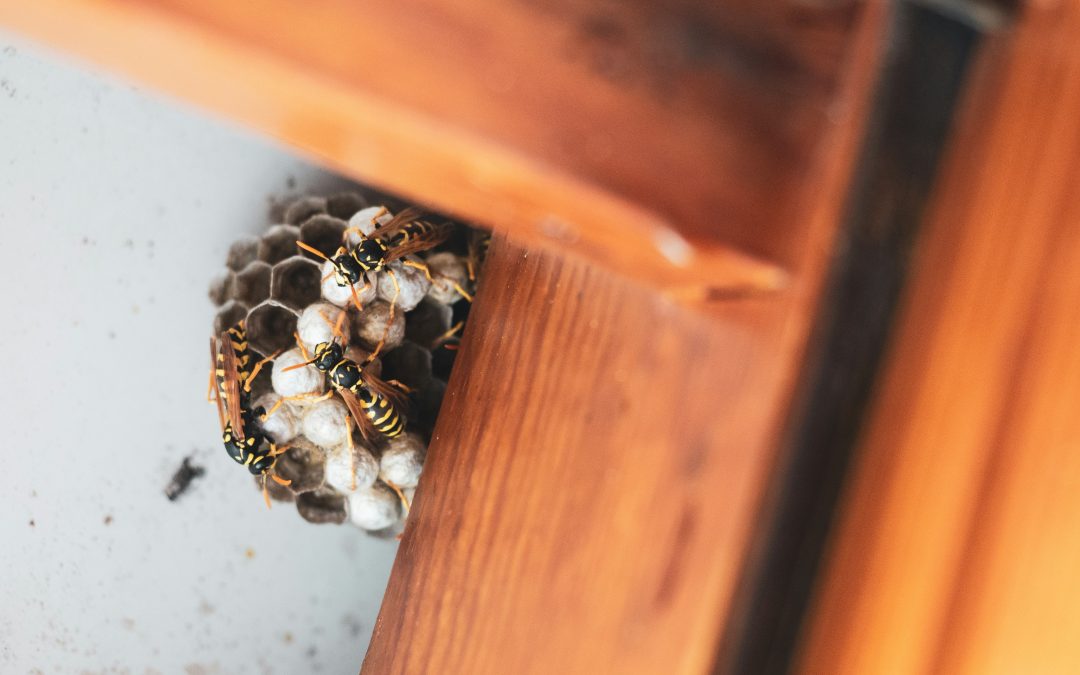
Pest infestations do not always announce themselves immediately. In many cases, insects and rodents can live around or inside a home for some time before a homeowner realizes there is a problem.
A few ants on the counter may seem insignificant. A spider web in the garage may not seem unusual. A scratching sound in the attic might be dismissed as a tree branch moving in the wind. However, repeated or unexplained signs can indicate that pests have established themselves nearby.
Knowing what to look for can help Fort Worth homeowners identify pest problems before they become more difficult to control.
Seeing Pests Repeatedly
The most obvious warning sign is seeing pests regularly.
An occasional insect may have simply wandered inside. However, seeing the same type of pest repeatedly can indicate that there is a nearby source.
For example, repeated ants in a kitchen may indicate an active colony outside or inside a wall. Several cockroaches appearing over a period of time can suggest that additional insects are hiding in inaccessible areas.
Likewise, repeatedly seeing rodents, especially during the daytime, may indicate that there is an established population nearby.
Pay attention to patterns rather than dismissing individual sightings.
Finding Droppings
Droppings are another important indication of pest activity.
Rodent droppings may be found inside cabinets, behind appliances, in garages, attics, or other areas where rodents travel. The discovery of droppings in multiple locations can indicate that pests are moving through the property regularly.
Other pests can leave different forms of waste or residue. If you discover unexplained material in areas where pests could be hiding, it is worth investigating rather than simply cleaning it up and ignoring the source.
Hearing Scratching or Movement
Unusual noises can sometimes indicate rodents or other animals inside a structure.
Scratching, squeaking, gnawing, or movement inside walls, ceilings, attics, and crawl spaces can be signs of animal activity.
Rodents may become more noticeable at night when the household is quiet. If noises continue over multiple nights, homeowners should investigate rather than assuming they will stop on their own.
Discovering Damaged Food Packaging
Rodents and insects can damage food packaging while searching for something to eat.
Check pantry items periodically for holes, gnaw marks, torn packaging, or unexplained contamination. Food should be stored in sealed containers whenever practical.
Even if the pest itself is never seen, damaged packaging can reveal that something has been entering the area.
Noticing Ant Trails
Ant trails can be easy to spot once you know what to look for.
Ants often travel along established routes between food or water sources and their colony. You may notice lines of ants along countertops, floors, windowsills, walls, or exterior foundations.
Simply wiping up the ants may provide temporary relief, but it does not necessarily address the colony.
Following the trail can sometimes help identify where ants are entering the building.
Finding Mud Tubes
Mud tubes are one of the more recognizable signs associated with termites.
They can appear along foundations, walls, crawl spaces, or other areas where termites travel between their colony and a food source.
Not every tube-like structure indicates active termites, but unexplained mud tubes should be evaluated.
Because termite activity can cause significant damage while remaining hidden, early attention is important.
Discovering Discarded Wings
Another possible indication of termite activity is finding piles of discarded wings.
After reproductive termites swarm, they may shed their wings. Homeowners might discover them near windows, doors, light sources, or other areas around a structure.
Finding numerous wings indoors should not automatically be ignored. A professional inspection can help determine whether they are associated with an active termite problem.
Seeing Webs Around the House
Spiders are common in Fort Worth and are frequently found around exterior lights, windows, garages, patios, fences, and other sheltered areas.
A few webs do not necessarily indicate a serious infestation. However, large amounts of spider activity may suggest that the property has a substantial population of insects that spiders are feeding on.
Reducing other pest activity can therefore sometimes reduce spider activity as well.
Finding Nests or Egg Cases
Nests and egg cases can provide evidence that pests are reproducing on or near the property.
Different insects create different types of nests, while rodents may use paper, insulation, fabric, leaves, and other materials to build nesting areas.
Finding nesting material in an attic, garage, crawl space, shed, or other protected area should prompt further investigation.
The presence of young pests is particularly important because it indicates that the area may be supporting reproduction rather than simply being a temporary travel route.
Pest Problems Can Start Outside
Not every pest problem begins inside the home.
Insects may establish colonies in landscaping, beneath mulch, around tree roots, inside wall cracks, or near foundations before eventually moving indoors.
Rodents can nest in outdoor structures and then enter homes through small openings.
This is why exterior pest inspections are important. Looking only at the rooms where pests are being seen may not reveal the source of the problem.
Conditions That Attract Pests
Certain conditions can make a property more appealing to insects and rodents.
Standing water can attract mosquitoes. Food debris can attract ants and cockroaches. Overgrown vegetation can provide shelter and pathways. Leaking pipes can create moisture. Clutter can provide hiding places.
Garbage that is not properly contained can also attract pests.
Correcting these conditions may reduce pest pressure, although it may not eliminate an established infestation.
Pest Control Throughout the Fort Worth Area
Homeowners throughout the Fort Worth area can encounter many of these warning signs.
Properties in Forest Hill, Arlington, Kennedale, and Benbrook may experience problems involving ants, termites, mosquitoes, rodents, cockroaches, and spiders.
Similar pest concerns can occur in Westworth Village, River Oaks, and Sansom Park.
Homeowners in Haltom City, Pantego, Bedford, and Euless can also experience pest activity related to weather, landscaping, moisture, and structural entry points.
The same is true for properties in Everman, North Richland Hills, and Hurst.
When Should You Take Action?
The earlier a pest problem is identified, the easier it may be to determine what is causing it.
Homeowners should consider getting professional assistance when they repeatedly see pests, find droppings, hear unexplained noises, discover damaged wood or food packaging, or notice nests and other signs of reproduction.
Professional pest control can help identify the species involved and determine where the activity is occurring.
This is particularly useful when pests are located in inaccessible areas such as attics, crawl spaces, wall cavities, rooflines, and foundations.
Do Not Ignore Small Warning Signs
A pest infestation often starts with signs that are easy to overlook.
One ant trail can eventually become a recurring household problem. A small opening in the foundation can provide rodents with access. Moisture around the property can encourage insects to remain nearby. A few signs of termites can warrant an inspection before hidden damage becomes extensive.
Fort Worth homeowners can reduce pest problems by paying attention to these early warning signs and maintaining the property throughout the year.
Regular inspections, good sanitation, moisture control, exterior maintenance, and professional pest control when necessary can all play a role in keeping unwanted pests under control.
The key is not to wait until pests become impossible to ignore. When something unusual appears, investigating the cause early can help protect the home and prevent a small pest issue from turning into a much larger one.