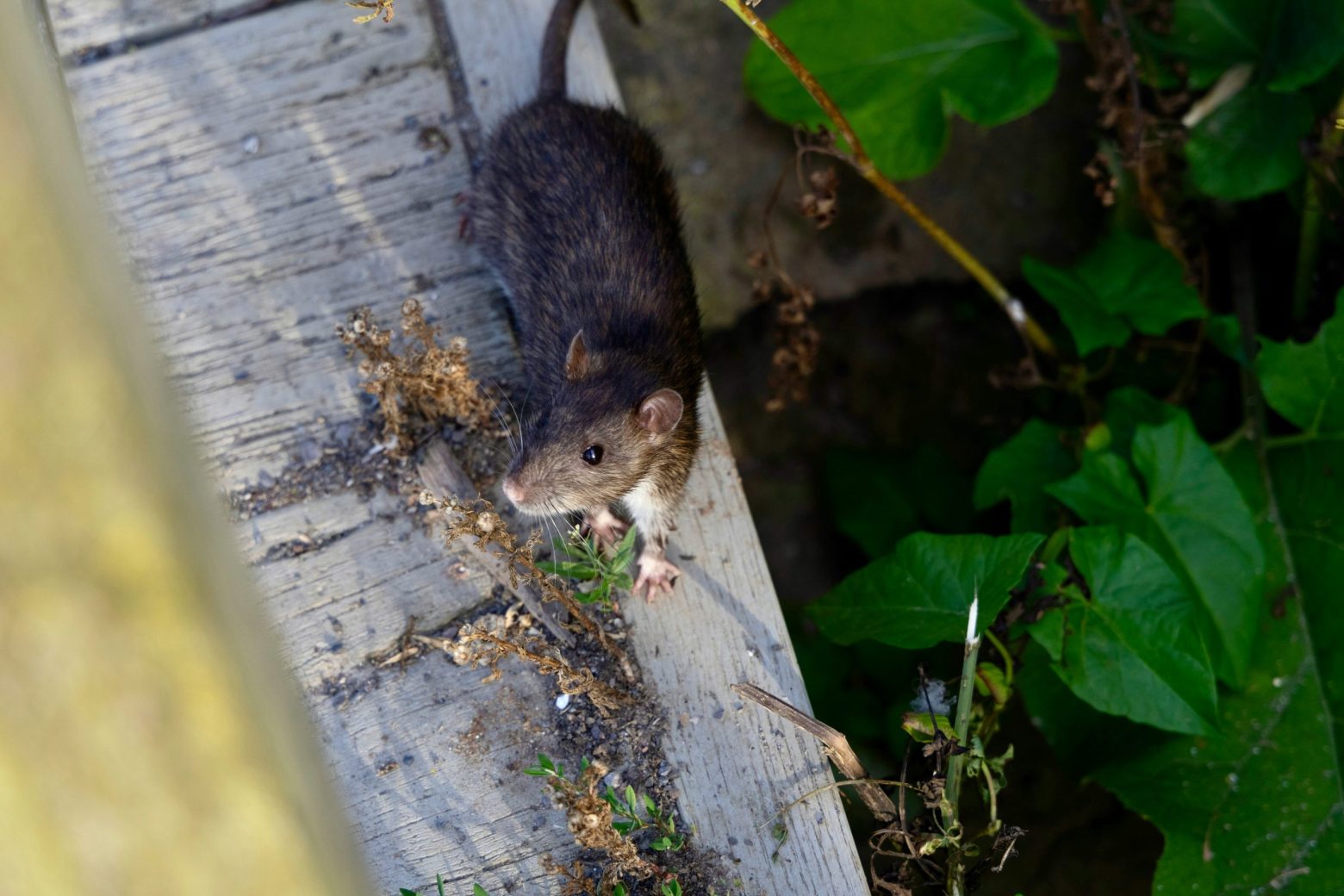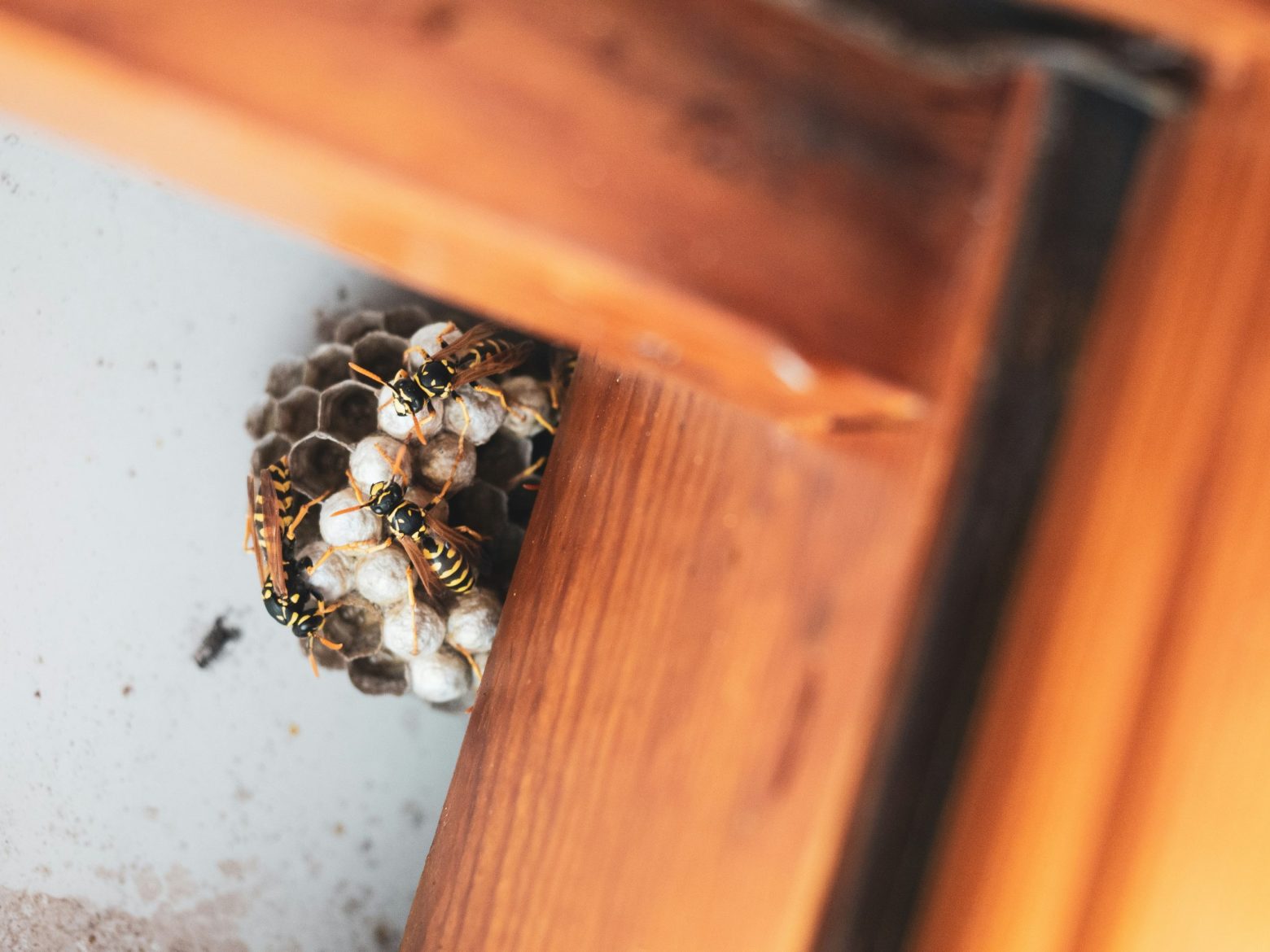
When homeowners discover insects or rodents, the first reaction is often to reach for a store-bought spray, trap, or other do-it-yourself pest control product. For a minor problem, basic prevention and household products may sometimes be enough.
However, persistent pest problems can be much more difficult to solve.
A pest that keeps returning may have a nest, colony, food source, water source, or entry point that has not been addressed. Simply treating the insects that are visible may provide temporary results without solving the underlying problem.
For homeowners in Fort Worth, understanding when professional pest control makes sense can help prevent small pest problems from becoming larger ones.
Killing Visible Pests Is Not Always Enough
One of the biggest challenges with pest control is that homeowners usually see only a small portion of the pest population.
Ants, cockroaches, termites, and rodents can spend significant amounts of time in hidden locations. They may live under floors, inside walls, beneath structures, in landscaping, in attics, or in other areas that are difficult to access.
Spraying an insect that happens to be visible may eliminate that individual insect without affecting the larger source.
This is one reason recurring pest activity deserves attention.
Identifying the Pest Matters
Different pests require different approaches.
A treatment that works for ants is not necessarily appropriate for termites. Mosquito control involves different considerations than rodent control. Cockroaches may require attention to food, moisture, hiding places, and reproduction areas.
Correctly identifying the pest is therefore an important first step.
Professional pest control can help determine what type of pest is present and where it is likely coming from.
Some Pests Are Difficult to Locate
Certain infestations can remain hidden for long periods.
Termites are a good example. Much of their activity can occur inside wood, below the soil, or in other areas that are not readily visible.
Rodents may spend much of their time inside walls, attics, crawl spaces, or other concealed areas.
Cockroaches can hide behind appliances, inside cabinets, and in cracks during the day before becoming more active at night.
When pests are difficult to locate, treating only the areas where they are seen may not resolve the underlying issue.
Professional Treatment Can Be More Targeted
Effective pest management involves more than simply applying a product.
The location of pest activity, the type of pest, the conditions attracting it, and the way it is entering the property can all affect the appropriate approach.
A professional can evaluate these factors and focus treatment where it is most likely to be useful.
This can be particularly important for recurring infestations.
Pest Prevention Is Part of the Solution
Treating an active pest problem is only part of pest management.
If pests have access to food, water, shelter, or an easy entry point, they may return after treatment.
Homeowners may need to address leaking pipes, standing water, gaps around doors, damaged screens, overgrown vegetation, clutter, garbage, or other conditions that make the property attractive.
Professional pest control can be combined with these preventative measures to create a more comprehensive approach.
When DIY Pest Control May Not Be Enough
There are several situations where homeowners should consider professional help.
One is repeated pest activity. If you continue seeing the same pest after attempting to treat the problem, there may be an underlying source.
Another is a rapidly increasing infestation. Seeing more and more insects over time suggests that the population may be growing.
Hidden activity is another concern. Droppings in an attic, scratching sounds inside walls, termite evidence, or insects emerging from cracks can all indicate that pests are occupying areas that are difficult to reach.
In these situations, professional evaluation can be worthwhile.
Fort Worth Homes Face a Variety of Pest Problems
The warm North Texas environment supports a wide range of insects and other pests. Homeowners may encounter ants, termites, mosquitoes, cockroaches, spiders, rodents, flies, and many other unwanted visitors.
Weather can also affect pest activity. Changes in temperature, rainfall, and moisture can cause pests to become more active or seek shelter.
This means pest problems can develop even when a home has been maintained carefully.
Pest Control in Surrounding Communities
Professional pest management is useful throughout the Fort Worth area and nearby communities.
Homeowners in Forest Hill, Arlington, Kennedale, and Benbrook can experience many of the same insect and rodent problems found throughout the region.
Properties in Westworth Village, River Oaks, and Sansom Park may also require treatment for common residential pests.
Pest problems can likewise affect homes in Haltom City, Pantego, Bedford, and Euless.
Homeowners in Everman, North Richland Hills, and Hurst can also encounter seasonal pest activity and recurring infestations.
What a Pest Inspection Can Reveal
A pest problem is not always obvious from the room where insects are being seen.
An inspection can involve looking at the exterior of the structure, potential entry points, landscaping, moisture conditions, garages, attics, crawl spaces, and other areas where pests may live or travel.
The goal is to understand the bigger picture.
For example, ants in a kitchen may be connected to a colony outside the foundation. Rodent activity in an attic may be connected to a small opening near the roofline. Mosquitoes around a patio may be connected to standing water elsewhere on the property.
Finding these connections can make pest control more effective.
Prevention Can Reduce Future Problems
After an infestation is addressed, homeowners can take steps to make their property less attractive to pests.
Store food properly, clean up spills, keep garbage contained, eliminate standing water, repair leaks, maintain landscaping, and seal appropriate cracks and openings.
It is also useful to monitor areas where pest activity has occurred in the past.
Early detection can make future problems easier to address.
Choosing the Right Approach
There is no single pest control solution that works for every property or every pest.
The right approach depends on the species involved, the size of the problem, where the pests are located, and the conditions contributing to the infestation.
That is why identifying the problem before deciding how to treat it is important.
DIY products can have a place in basic household pest management, but persistent infestations may require a more comprehensive strategy.
Protect Your Home With Proactive Pest Control
Homeowners do not have to wait until pests become overwhelming before taking action.
Regular property inspections, good sanitation, moisture control, structural maintenance, and professional pest control when necessary can all help reduce pest activity.
For homeowners in Fort Worth, a proactive approach is particularly useful because pest activity can change throughout the year.
If insects or rodents continue returning despite your best efforts, the problem may be larger than what is visible. Professional pest control can help identify the source, address active pest activity, and provide recommendations for reducing the chances of the problem returning.
The goal is not simply to eliminate the pest you can see. It is to understand why the pest is there and address the conditions that allow it to remain.