Wasps and hornets can make outdoor areas uncomfortable and sometimes dangerous, particularly when they establish nests near doors, patios, decks, rooflines, and other places where people regularly spend time.
Unlike many household pests that remain hidden inside walls or cabinets, stinging insects can become an obvious problem when they begin flying around a property. Homeowners may notice insects entering and leaving a particular opening, hovering around landscaping, or gathering beneath roof overhangs.
Fort Worth's warm climate provides favorable conditions for many stinging insect species. As spring and summer progress, colonies can become more active and nests may grow substantially.
Understanding which insects are present, where they build nests, and how to respond safely can help homeowners protect their families and outdoor living spaces.
Common Wasps and Hornets Around Fort Worth
Several types of stinging insects may establish nests around residential properties in North Texas.
Paper wasps are commonly found beneath roof eaves, porch ceilings, deck railings, and other sheltered locations. They build open, umbrella-shaped nests made from a paper-like material.
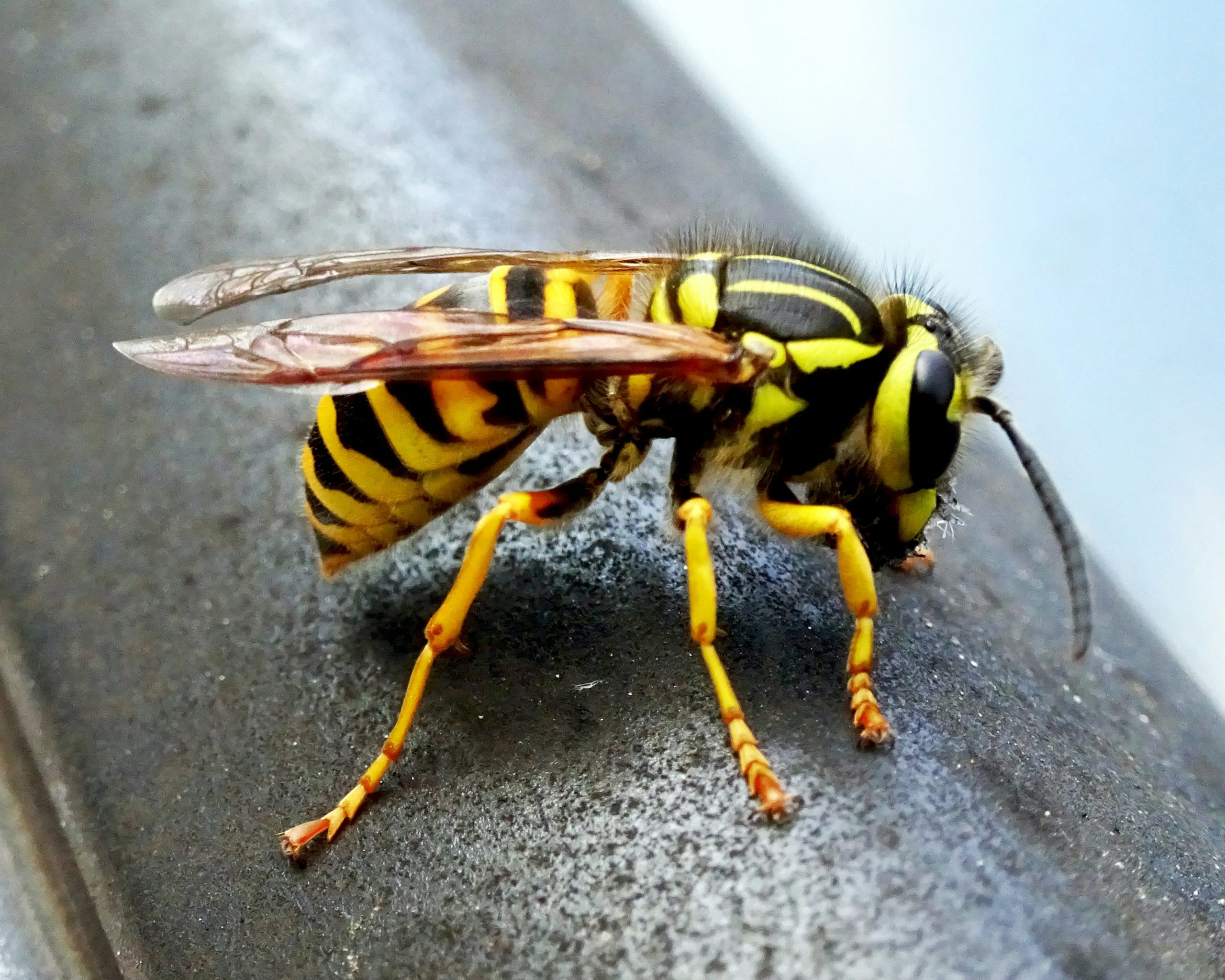
Yellowjackets are another concern. These insects are often associated with underground nests, although some species may establish colonies in wall voids and other protected spaces.
Yellowjackets are attracted to sugary substances and protein sources. They can become particularly noticeable around outdoor garbage containers, food, and backyard gatherings.
Mud daubers are solitary wasps that construct small mud nests on walls, ceilings, and other protected surfaces. They are generally less aggressive than social wasps and do not establish large colonies.
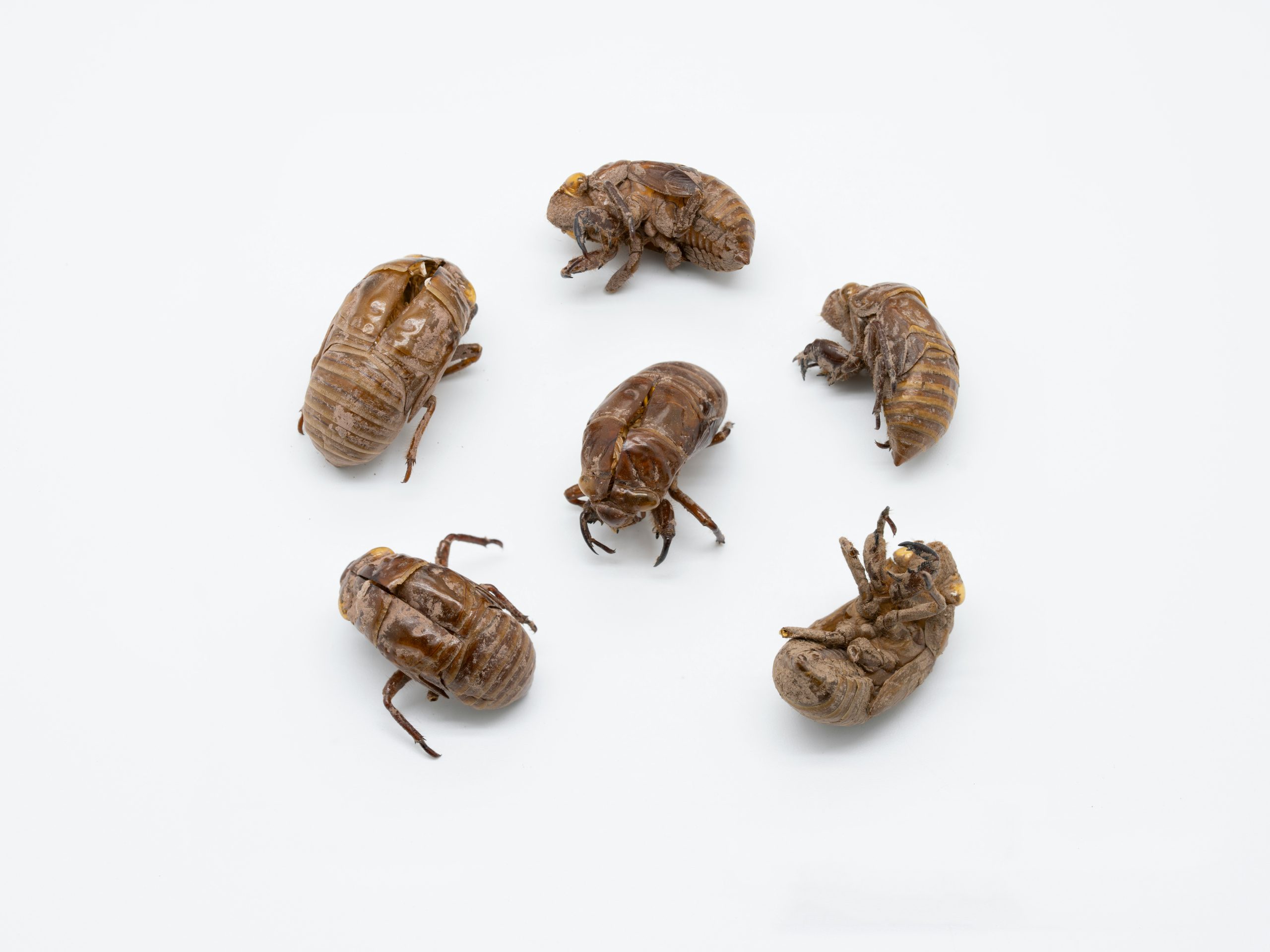
Cicada killers are large solitary wasps that dig underground nesting tunnels, often in areas with exposed or sandy soil. Despite their intimidating appearance, they generally do not behave like highly defensive social wasps.
Correct identification helps determine whether a nest represents a significant safety concern and what response may be appropriate.
Why Wasps Build Nests Around Homes
Wasps select nesting locations that offer protection from weather, access to food, and suitable conditions for raising their young.
Roof overhangs, porch ceilings, sheds, garages, fences, and landscaping structures can provide sheltered nesting areas.
Some species prefer underground locations, particularly where soil conditions allow them to excavate nesting chambers.
Properties with mature trees, flowering plants, shrubs, and other insect populations may offer abundant food sources.
Outdoor lighting can also attract insects that serve as prey for certain wasp species.
As a result, residential properties throughout Fort Worth can provide many suitable nesting locations.
How Wasp Colonies Develop
Many social wasp species establish annual colonies.
In the spring, a fertilized queen emerges from a protected overwintering location and begins searching for a suitable nesting site.
She constructs the initial nest and raises the first group of workers.
Once these workers mature, they take over many responsibilities associated with maintaining the nest, gathering food, and caring for developing young.
The colony can then expand considerably during the warmer months.
As the nest grows, the number of active workers increases. This can make the area around the nest more dangerous, particularly when people or pets regularly pass nearby.
Late in the season, colonies produce reproductive individuals that leave to establish future generations. Many established social wasp colonies eventually die off as temperatures change, although newly fertilized queens may survive the winter.
Where to Look for Wasp Nests
Homeowners should be aware of areas where wasps commonly establish nests.
Roof eaves, porch ceilings, attic vents, sheds, garages, and exterior light fixtures are frequent locations.
Paper wasp nests may be visible beneath horizontal surfaces. Yellowjacket nests may be more difficult to locate because they can be concealed underground or within structural voids.
A steady stream of wasps entering and leaving one particular opening can indicate an active nest.
However, homeowners should not approach the opening to investigate closely.
Disturbing a nest can trigger defensive behavior, and multiple insects may attack when they perceive a threat.
It is safer to observe activity from a distance and arrange an appropriate inspection.
Why Wasps Can Become Aggressive
Not all wasps are equally defensive.
Solitary species generally spend less time defending a shared colony. Social wasps, however, may aggressively protect their nests when disturbed.
Vibrations, direct contact, nearby movement, and attempts to spray or knock down a nest can provoke defensive responses.
Yellowjackets are especially problematic because underground colonies may be accidentally disturbed during mowing, landscaping, or yard work.
Some species can sting repeatedly, unlike honeybees, which generally lose their stinger after a successful sting.
People who are allergic to insect venom may experience severe reactions, including anaphylaxis.
Anyone experiencing difficulty breathing, swelling of the throat or tongue, dizziness, or other signs of a severe allergic reaction after a sting should seek emergency medical care immediately.
Why Removing a Wasp Nest Yourself Can Be Dangerous
Homeowners sometimes attempt to eliminate wasp nests with aerosol products or by physically knocking them down.
This can be risky, especially when the nest contains a large colony.
An unsuccessful application may cause insects to emerge and attack. Underground nests and nests inside wall voids can be especially difficult to treat because their full extent may not be visible.
Climbing ladders while attempting to spray nests beneath rooflines also creates a fall risk.
Some household products are not designed for use in particular locations, and improper applications can expose people, pets, and the surrounding environment to unnecessary hazards.
For active nests near frequently used areas, professional pest control is generally the safer approach.
Professional Wasp and Hornet Nest Removal
Professional stinging insect control begins with identifying the species and locating the nest.
The technician must consider the nest's size, location, accessibility, and proximity to people.
Treatment methods depend on the particular insect and nesting environment. Some situations involve targeted insecticide applications, while others require specialized approaches for underground colonies or nests inside structural openings.
After treatment, the nest may need to be removed when appropriate.
Homeowners should follow instructions about avoiding the treated area and should not assume that the absence of visible insects immediately means the nest is inactive.
Professional service is particularly important when nests are located near entrances, playgrounds, patios, or other frequently used areas.
Reducing Wasp Activity Around Your Property
Although it may not be possible to prevent every wasp from visiting a yard, several steps can make residential properties less attractive.
Keep outdoor garbage containers tightly closed. Clean food and drink spills promptly, especially during outdoor gatherings.
Avoid leaving sugary beverages and uncovered food outside for extended periods.
Inspect roof eaves, sheds, fences, and other sheltered areas periodically during the warmer months.
Seal appropriate exterior gaps where insects may gain access to wall voids and other protected spaces, but do not seal an opening that may contain an active nest.
Maintain landscaping and remove unnecessary debris that may provide suitable nesting locations.
When mowing or working around shrubs, watch for unusual concentrations of wasps and avoid disturbing areas where underground activity may be present.
Wasp and Hornet Problems Throughout Fort Worth
Stinging insect activity is a concern throughout Fort Worth and nearby residential communities.
Our service-area locations include Forest Hill, Arlington, Kennedale, and Benbrook.
We also cover Westworth Village, River Oaks, and Sansom Park.
Additional communities include Haltom City, Pantego, Bedford, and Euless.
Homeowners in Everman, North Richland Hills, and Hurst may also encounter wasp and hornet nests around their properties.
Keep Your Fort Worth Outdoor Spaces Safer
Wasps and hornets play a role in the environment, including helping control other insect populations. However, nests established close to homes, patios, entrances, and outdoor recreation areas can create unnecessary risks.
Recognizing the type of insect, avoiding disturbance, and arranging appropriate treatment when necessary are important steps in managing stinging insect problems.
If you discover an active wasp or hornet nest around your Fort Worth home, professional pest control can help determine the safest and most appropriate way to address it.