Most homeowners do not intentionally invite insects and rodents into their homes. Yet pests can find their way inside through openings that are easy to overlook. A gap beneath a door, a crack around a pipe, a damaged screen, or an opening around the foundation can be enough to give pests access to the inside of a house.
For homeowners in Fort Worth, keeping pests outside can be especially challenging because homes are surrounded by an active outdoor environment. Insects and rodents can live in lawns, gardens, trees, mulch, landscaping, garages, sheds, and other areas around a property before finding an opportunity to enter.
Understanding how pests get inside is an important part of effective pest control.
Pests Can Enter Through Very Small Openings
One of the biggest misconceptions about pest control is that a home has to have a large hole for pests to get inside.
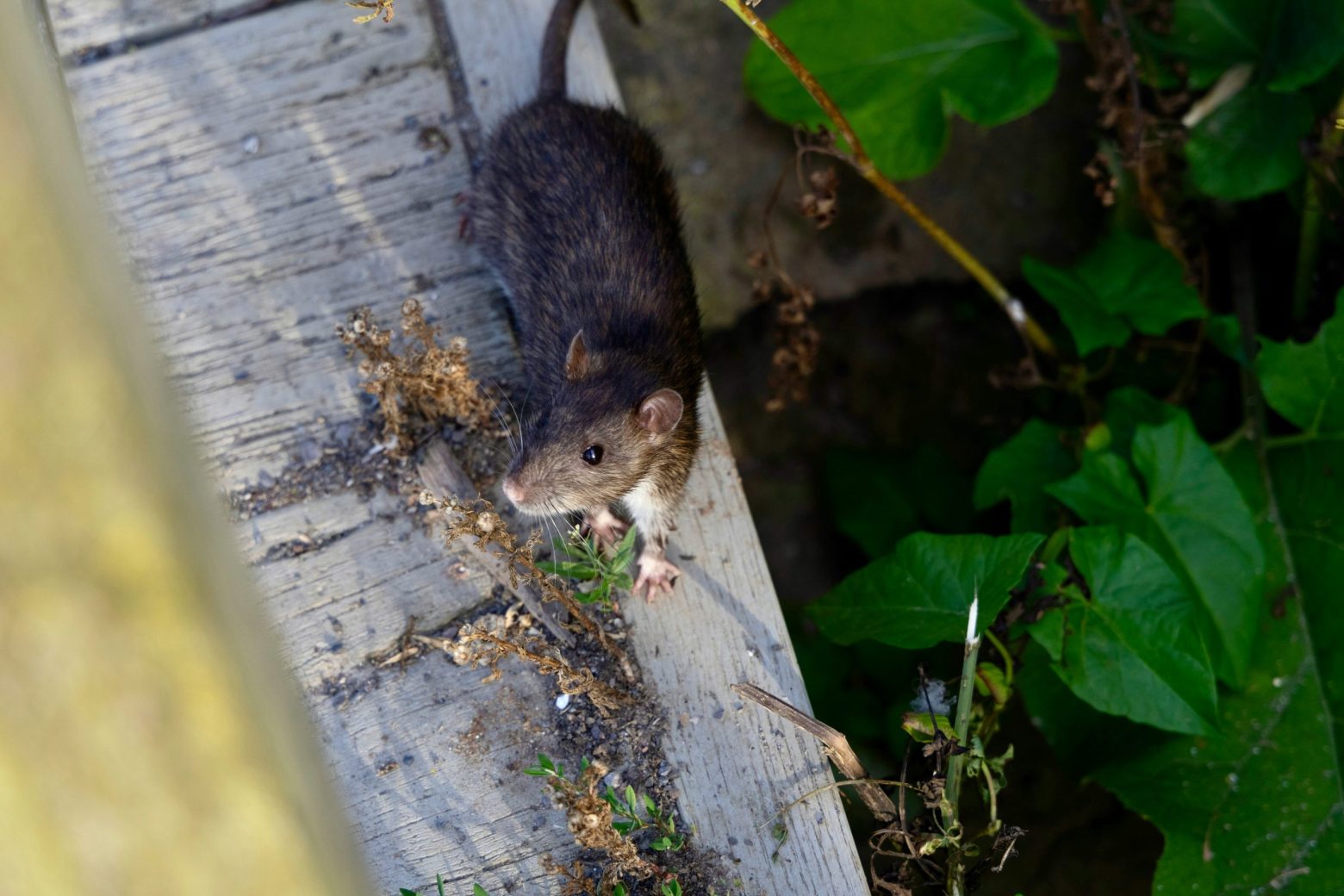
Many insects can pass through extremely small cracks and gaps. Mice can also squeeze through surprisingly small openings when searching for food, water, and shelter.
Common entry points include gaps around windows and doors, cracks in foundations, openings around utility lines, vents, plumbing penetrations, roofline gaps, and damaged screens.
A thorough inspection of the outside of a house can reveal potential access points that may not be obvious from inside.
Doors Are Common Entry Points
Exterior doors receive a lot of use, making them particularly important to inspect.
If there is a visible gap beneath an exterior door, insects and rodents may be able to enter. Damaged weather stripping can also leave openings along the sides or top of a door.
Garage doors deserve special attention. Garages often provide a transition between the outdoors and the rest of the house. A damaged seal around the garage door can allow insects, rodents, and other pests into the garage.
Keeping doors properly sealed can eliminate some of the easiest pest entry routes.
Windows and Screens Can Cause Problems
Windows provide another potential access point.
Torn screens can allow flying insects to enter directly into living areas. Small gaps around window frames can also provide access to crawling insects.
Inspect screens periodically and replace damaged ones. Check the exterior edges of windows for cracks or gaps, particularly around older windows.
Keeping windows properly maintained can reduce the number of opportunities pests have to enter.
Utility Lines Create Openings
Homes need openings for electrical cables, plumbing, air conditioning lines, gas lines, and other utilities.
These penetrations can create gaps between the structure and the surrounding material. Over time, seals can deteriorate or gaps can develop.
Inspect areas where utilities enter the house and look for obvious openings. Sealing appropriate gaps can make the exterior more difficult for pests to penetrate.
Plumbing Can Provide Pest Access
Pipes can create pathways between indoor and outdoor areas. Gaps around plumbing penetrations can also provide insects with access to wall spaces and other portions of a home.
Moisture around plumbing can make these areas even more attractive to pests.
Leaks should be repaired promptly, and unnecessary moisture should be eliminated whenever possible.
Roofs and Attics Need Attention
Pests do not always enter through the bottom of a house. The roofline can provide access as well.
Damaged roofing materials, gaps around vents, openings near chimneys, and other exterior defects can allow insects, rodents, and wildlife to enter attic spaces.
Once inside an attic, pests may remain largely unnoticed. Homeowners may eventually hear scratching noises, discover droppings, or find damaged insulation.
Periodic inspection of the roofline and attic can help identify problems before they become extensive.
Landscaping Can Lead Pests to the House
A property does not need to have structural damage for pests to reach the house.
Trees, shrubs, vines, mulch, leaves, and other landscaping features can provide shelter and travel routes for insects.
Branches that touch the roof can give pests a direct route onto the structure. Vegetation against walls can also make it difficult to inspect the exterior.
Keeping landscaping maintained and providing some separation between vegetation and the structure can make pest prevention easier.
Moisture Attracts Pests
Even when a house is well sealed, moisture can encourage pests to remain around the property.
Leaking outdoor faucets, clogged gutters, poor drainage, irrigation problems, and standing water can all create attractive conditions.
Mosquitoes are particularly dependent on standing water for reproduction. Other insects may also be drawn to damp areas around foundations and landscaping.
Controlling moisture is therefore an important part of pest management.
Food Can Bring Pests Inside
Once pests discover a reliable food source, they have a reason to remain nearby.
Crumbs, spilled food, pet food, garbage, and improperly stored pantry items can attract ants, cockroaches, rodents, and other pests.
Food should be stored securely, counters should be cleaned regularly, and garbage should be kept in containers with secure lids.
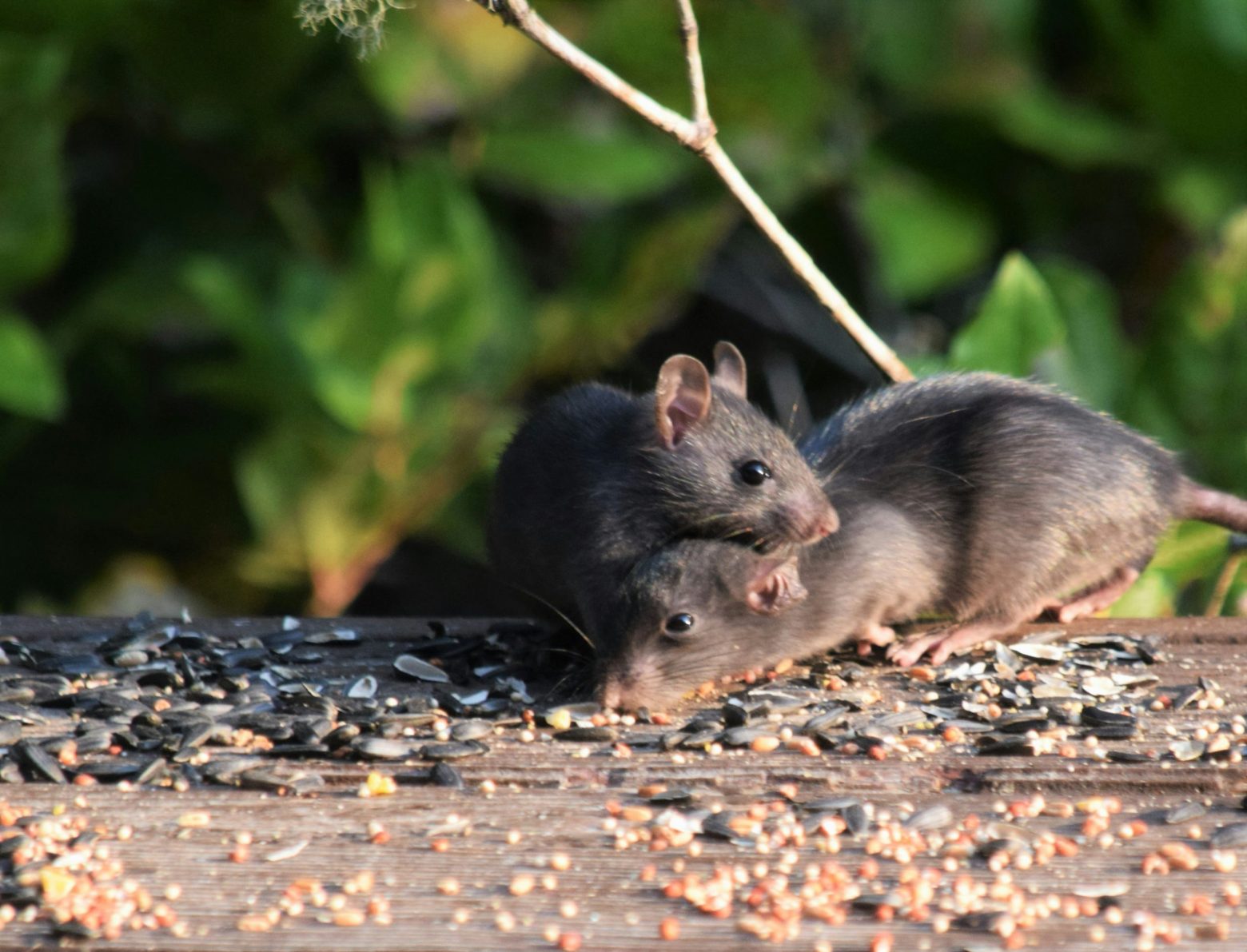
Outdoor food sources should also be considered. Bird feeders, pet food, and uncovered garbage can attract pests that may eventually find their way inside.
Pest Entry Points Around Fort Worth Homes
The types of entry points found around one property can be very different from another. Older homes may have aging seals and foundation cracks, while newer homes can develop openings as materials settle and landscaping changes.
Homeowners in Forest Hill, Arlington, Kennedale, and Benbrook can encounter many of the same pest entry problems found throughout the Fort Worth area.
Properties in Westworth Village, River Oaks, and Sansom Park may also experience pest activity related to moisture, landscaping, and structural openings.
The same considerations apply in Haltom City, Pantego, Bedford, and Euless, as well as Everman, North Richland Hills, and Hurst.
What to Do When You Find an Entry Point
Finding a gap does not necessarily mean that it is the source of an active infestation. However, it is worth determining whether pests are using it.
If you see insects traveling through a crack, find rodent droppings nearby, or notice other signs of pest activity, the opening may be part of a larger problem.
Sealing an opening can help prevent future access, but it may not solve an existing infestation. If pests are already inside a structure, they may need to be removed or treated separately.
Professional Pest Control Can Help Identify the Problem
Some pest problems are easy to identify. Others are more complicated.
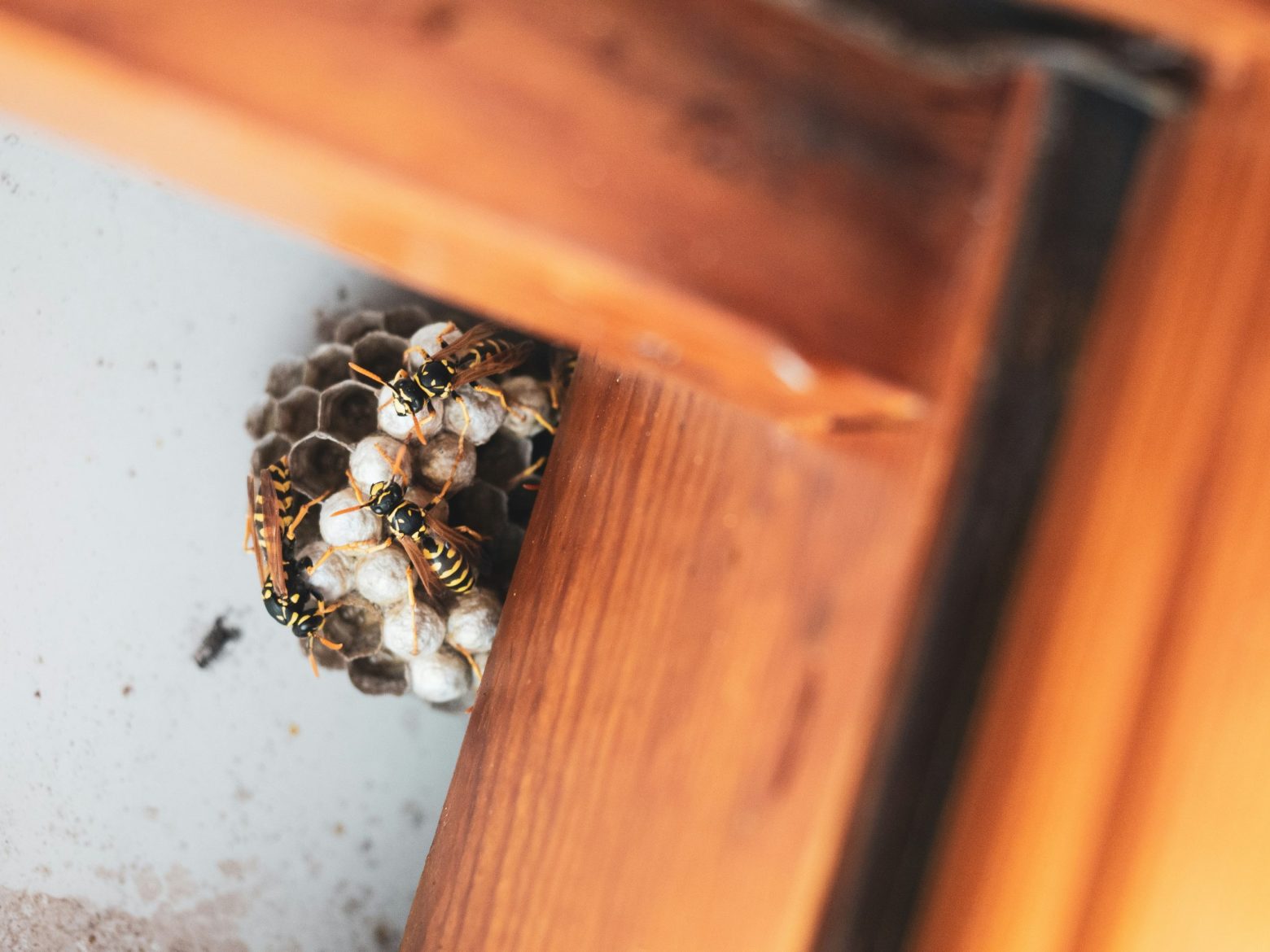
If insects continue appearing despite cleaning and maintenance, there may be an active colony somewhere on the property. If rodents are making noises inside walls or an attic, there may be a nesting area that is difficult to reach.
Professional pest control can help identify the pest involved, determine where activity is occurring, and develop an appropriate treatment approach.
Keep Pests Outside Where They Belong
Pest prevention begins with making your home less accessible and less attractive to insects and rodents.
Inspect doors, windows, foundations, utility penetrations, rooflines, garages, and other potential entry points. Control moisture, maintain landscaping, secure food, and keep the property free of unnecessary debris.
For homeowners in Fort Worth, these simple steps can help reduce opportunities for pests to enter the home.
No property can be completely isolated from the outdoor environment, but combining regular maintenance with professional pest control when necessary can go a long way toward keeping unwanted insects and rodents under control.