Bed bugs are among the most frustrating pests homeowners can encounter. Unlike many insects that enter homes searching for food crumbs or moisture, bed bugs are attracted to places where people sleep and rest. They feed on blood and can hide in remarkably small spaces around mattresses, bed frames, furniture, and other household items.
A bed bug infestation can develop without a home being dirty or poorly maintained. These insects are excellent hitchhikers and frequently travel between locations inside luggage, clothing, furniture, and personal belongings.
Fort Worth residents can encounter bed bugs after traveling, purchasing used furniture, staying in hotels, or bringing infested items into their homes. Understanding how these insects spread and where they hide is essential for recognizing an infestation before it becomes more difficult to eliminate.
What Do Bed Bugs Look Like?
Adult bed bugs are small, flat, oval-shaped insects. They are generally reddish-brown and approximately the size of an apple seed.
Their flattened bodies allow them to hide inside narrow spaces during the day. After feeding, their bodies become more elongated and swollen.
Young bed bugs, known as nymphs, are considerably smaller and may appear pale or translucent. Newly hatched bed bugs can be difficult to notice without close inspection.
Bed bugs do not have wings and cannot fly. They move by crawling and spread primarily through the movement of infested belongings.
Because they are so good at hiding, homeowners may experience an infestation for some time before discovering the insects themselves.
Common Signs of a Bed Bug Infestation
Bed bugs leave several clues that can help homeowners recognize their presence.
One common sign is the appearance of small dark spots on mattresses, sheets, pillowcases, and nearby furniture. These spots may be fecal deposits left by bed bugs.
Other warning signs include:
- Small reddish or brown insects around mattress seams.
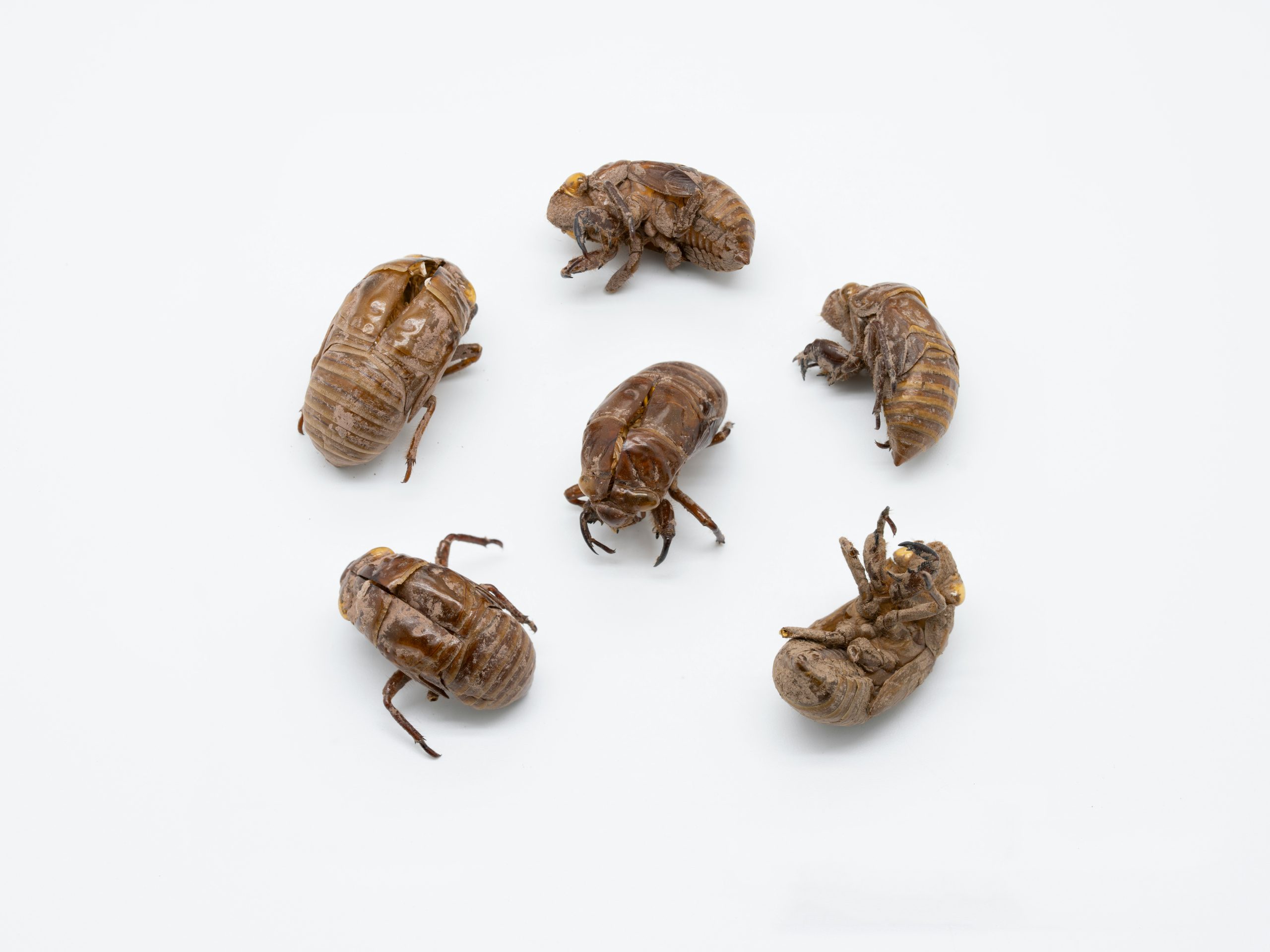
- Shed skins from developing bed bugs.
- Tiny pale eggs attached to surfaces.
- Small blood spots on bedding.
- Dark spotting around bed frames and furniture.
- Unexplained bites appearing after sleeping.
Bed bug bites vary from person to person. Some individuals develop itchy welts, while others experience little or no visible reaction.
Bites alone are not a reliable way to confirm an infestation. Other insects and skin conditions can produce similar symptoms.
Finding physical evidence of the insects is much more useful when determining whether bed bugs are present.
Where Bed Bugs Hide Inside a Home
Bed bugs are commonly associated with mattresses, but they can establish hiding places throughout a bedroom and other parts of a house.
Their preferred locations are generally close to areas where people spend extended periods resting.
Common hiding places include mattress seams, box springs, bed frame joints, headboards, upholstered furniture, and cracks in nearby walls.
They may also hide behind baseboards, inside electrical furniture openings, beneath carpeting edges, and within small gaps in wooden furniture.
As an infestation grows, bed bugs may spread beyond the bedroom. Living room couches, recliners, and other upholstered furniture can become additional hiding locations.
This makes a careful inspection important. Treating only the mattress may leave much of the infestation undisturbed.
How Bed Bugs Enter Fort Worth Homes
Bed bugs are frequently transported from one location to another by people and their belongings.
Hotels, apartments, public transportation, offices, and other shared environments can provide opportunities for bed bugs to move between locations.
Travel is a particularly common way for bed bugs to enter residential properties.
An insect may hide in a suitcase, clothing, or another personal item before being transported home.
Used furniture is another potential source. Purchasing a secondhand mattress, couch, bed frame, or upholstered chair can introduce bed bugs if the item is infested.
Visitors can also unknowingly transport bed bugs in bags or clothing.
Because these insects can spread through ordinary activities, discovering bed bugs should not automatically be viewed as evidence of poor housekeeping.
Why Bed Bugs Are Difficult to Eliminate
One of the biggest challenges with bed bugs is their ability to remain hidden.
A homeowner may see several insects on a mattress while overlooking others concealed in furniture joints, wall cracks, or nearby upholstery.
Bed bug eggs create another treatment challenge. Depending on the product and treatment method, eggs may be less susceptible to certain applications than active insects.
This is why a single treatment does not always eliminate an established infestation.
Bed bugs also reproduce relatively quickly under favorable conditions. If surviving insects are not addressed, the population can rebuild.
Another common problem is moving infested belongings between rooms. Relocating mattresses, furniture, or bedding without appropriate precautions can spread insects into previously unaffected areas.
Effective bed bug management requires a systematic approach rather than treating only the locations where insects have been noticed.
What Homeowners Should Do When They Find Bed Bugs
Discovering bed bugs can be stressful, but taking the right steps can help prevent the infestation from spreading.
First, avoid moving infested furniture into other rooms. Doing so can introduce bed bugs into additional areas of the house.
Wash and dry suitable bedding and clothing using the highest temperatures appropriate for the fabrics. Heat from a properly operated clothes dryer can kill bed bugs and their eggs in treated items.
Items that have been cleaned should be stored in sealed bags or containers to prevent reinfestation.
Vacuuming can help remove some visible insects and debris, but it should not be considered a complete treatment.
Homeowners should also avoid applying random household pesticides to mattresses, furniture, or sleeping surfaces. Products should only be used in locations and ways specifically permitted by their labels.
If bed bugs are confirmed, professional inspection and treatment are generally the most reliable way to address an established infestation.
Why Professional Bed Bug Treatment Matters
Professional bed bug control focuses on locating the insects throughout the affected environment.
An inspection can identify active hiding places, determine how widespread the infestation has become, and help establish an appropriate treatment plan.
Depending on the property and infestation, treatment may involve carefully selected insecticides, heat-based methods, or a combination of approaches.
Preparation is also important. Homeowners may need to wash certain items, reduce clutter, prepare furniture, and follow specific instructions before treatment.
Follow-up inspections or treatments may be necessary to address insects that survive the initial service or hatch after treatment.
The objective is not simply to eliminate the bed bugs that are visible. It is to address the entire infestation and reduce the possibility of recurrence.
Bed Bug Prevention When Traveling
Travelers can take several practical steps to reduce the chances of bringing bed bugs home.
When arriving at a hotel, inspect the mattress seams, headboard, and surrounding furniture before placing luggage on the bed.
Keep suitcases on luggage racks rather than directly on upholstered furniture or bedding.
After returning home, inspect luggage and clothing before storing everything in bedrooms or closets.
Wash and dry travel clothing when appropriate, and inspect suitcases before putting them away.
These precautions cannot eliminate every risk, but they can reduce the likelihood of transporting bed bugs into a home.
Bed Bug Control Throughout Fort Worth and Nearby Communities
Bed bug problems can occur in houses, apartments, condominiums, and other residential properties throughout the Fort Worth area.
Our service-area coverage includes Forest Hill, Arlington, Kennedale, and Benbrook.
Nearby locations also include Westworth Village, River Oaks, and Sansom Park.
We also serve the surrounding areas of Haltom City, Pantego, Bedford, and Euless.
Homeowners in Everman, North Richland Hills, and Hurst can also encounter bed bug problems.
Get Help With Bed Bugs Before the Infestation Spreads
Bed bugs are difficult to eliminate because they hide in small spaces, reproduce, and can spread through ordinary household belongings.
Recognizing the signs early and avoiding the movement of infested items can help limit the problem.
If you suspect bed bugs in your Fort Worth home, professional pest control can help determine whether an infestation is present and what treatment approach is appropriate.